WRITTEN BY // JESSICA HEATHCOTE
PUBLISHED: MARCH 2026
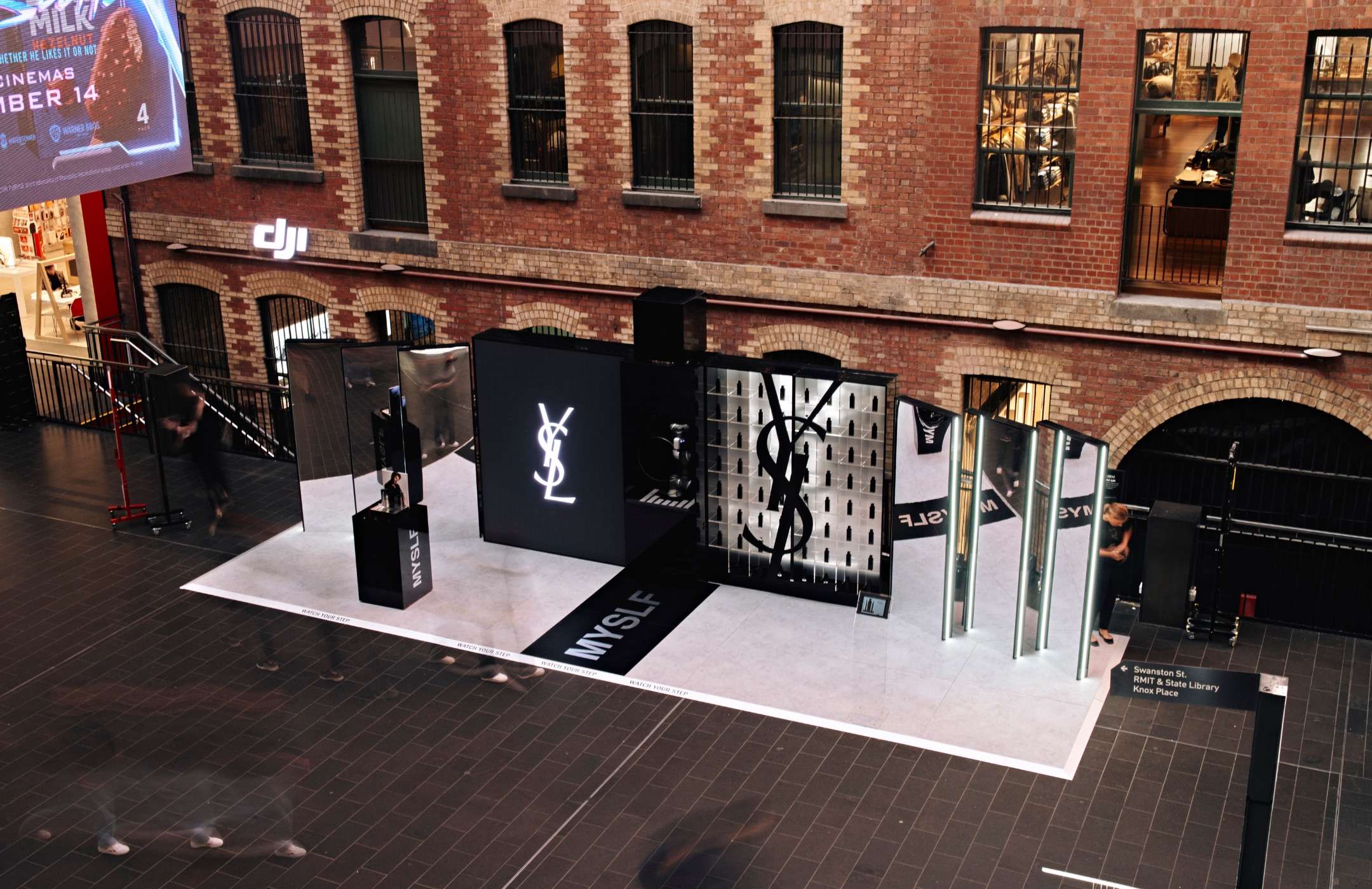
The retail landscape in 2026 is undergoing a considerable shift, and with that, what it means to design and good retail showroom. The physical showroom is evolving as an experiential brand centre with value-driven and curated moments embedded into the customer experience.
In fact, according to KPMG’s latest Australian Retail Outlook Report, in partnership with InsideRetail, if the last year proved anything, the ‘shrink’ to ‘grow’ approach is two sides of the same strategy. For example, Country Road’s decision to close high-profile stores while investing in new flagships exemplifies how brands are pruning to protect profits and reinvesting in formats that match where Australians now shop.
Firstly, there are fundamental differences between a showroom and a retail store, and depending on your objective, each shopping experience is different.
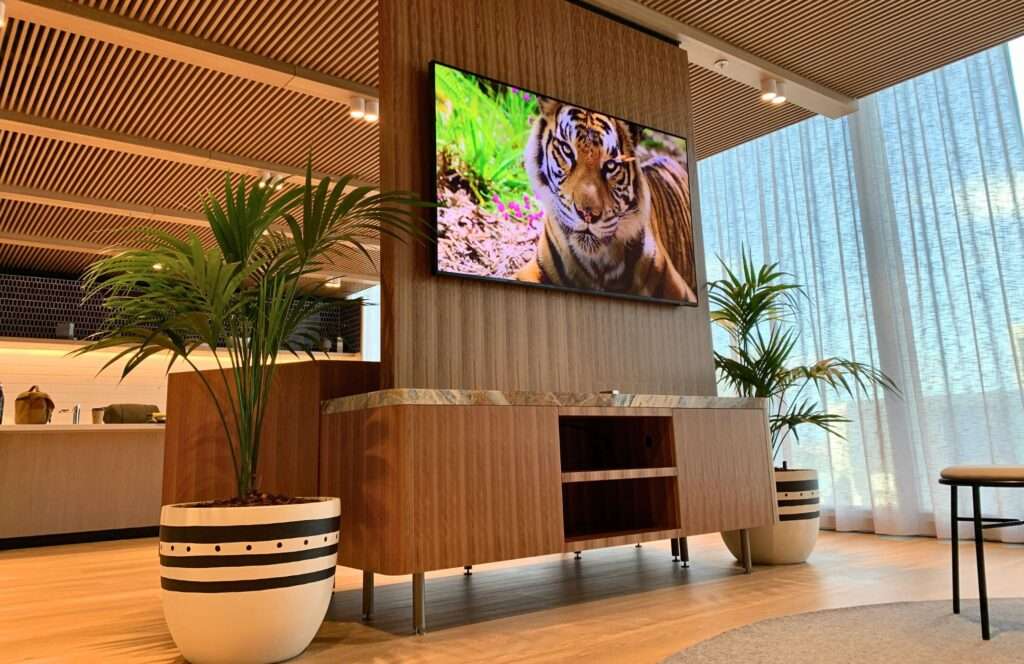
A showroom is predominantly a space for interactive, high-touch experiences. The store design is focused on showcasing products and providing information to potential customers, with the sale or purchase usually completed through digital channels and as a secondary consideration.
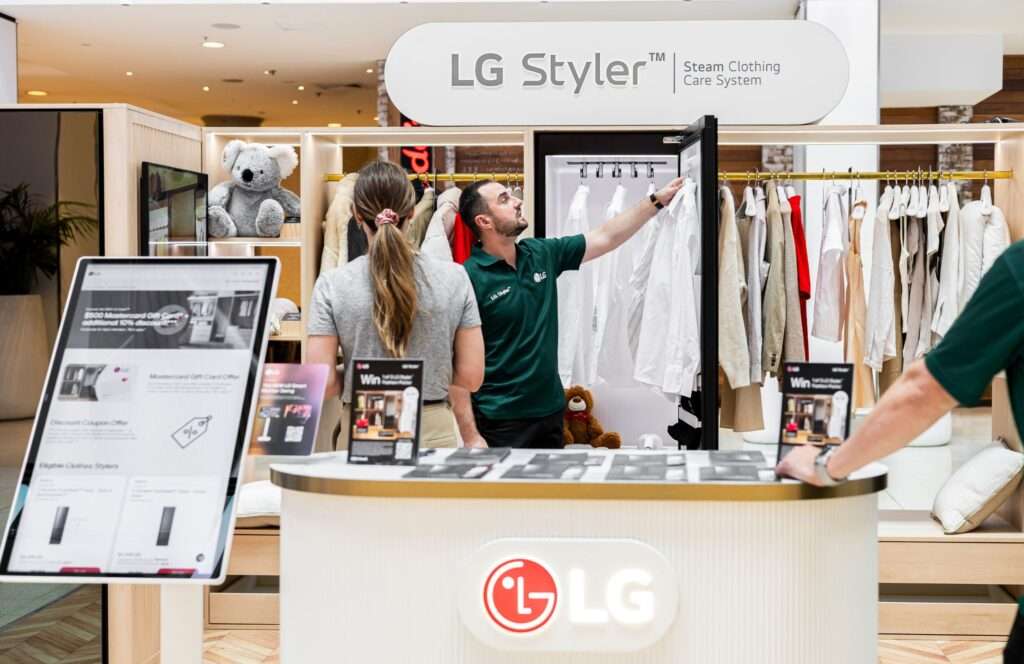
A retail or pop up store is highly-focused on making sales and designed to prioritise the path to purchase. This includes prioritising design principles that lead up to a buying decision from clearly visible pricing structures or bundles and shelving placements for product reviews through to product information, and signage offers for gifts with purchase or special promotions.
Good Showroom Design in 2026
It’s true, good showroom design is a strategic investment and in 2026 this impact is likely to affect not only profitability metrics but also customer perception. With over 25 years experience, DisplayWise has the expertise and insights to help guide brands on the essentials from engaging visual merchandising and investing in premium fixtures through to high-quality manufacturing techniques.
Let’s break down these 4 fundamentals to good showroom design and how your brand can achieve success in 2026.
1. Prioritise the experience over product
Showrooms are often limited by space, which makes it crucial to optimise every square metre effectively. In 2026, the most effective spaces follow good showroom design principles and create meaningful customer interaction moments rather than just displaying every product in the collection.
As e-commerce continues to dominate convenience, the role of the physical showroom has shifted. It’s no longer about access to product, it’s about connection to brand and the showroom becomes a place where customers can engage all senses. It’s about building confidence in their purchase, and forming an emotional link that simply can’t be replicated online. The brands that will outperform the competition are those that deliberately design for experience first, product second.

WAYS TO PRIORITISE GOOD SHOWROOM DESIGN EXPERIENCE
- Lounge seating or consultation areas: Support longer, more considered decision-making—especially for high-value purchases.
- Hands-on trial stations: Let customers test, touch, and experience products in real-time to build confidence.
- Beauty counters or demo zones: Create guided, high-touch experiences that replicate in-store expertise.
- Coffee bars or hospitality zones: Encourage dwell time and create a more relaxed, lifestyle-led brand interaction.
- Virtual try-ons and interactive mirrors: Help customers visualise products and personalise their selection.
- Seamless omnichannel integration (‘phygital’): Sync in-store and online—live inventory, home delivery, and saved wishlists.
- Appointment-based experiences: Offer one-on-one consultations to elevate service and exclusivity, especially effective in beauty, fashion, and automotive categories.
- Service-led features (e.g. refill or repair stations): Drive repeat visits and position the showroom beyond just a purchase point.
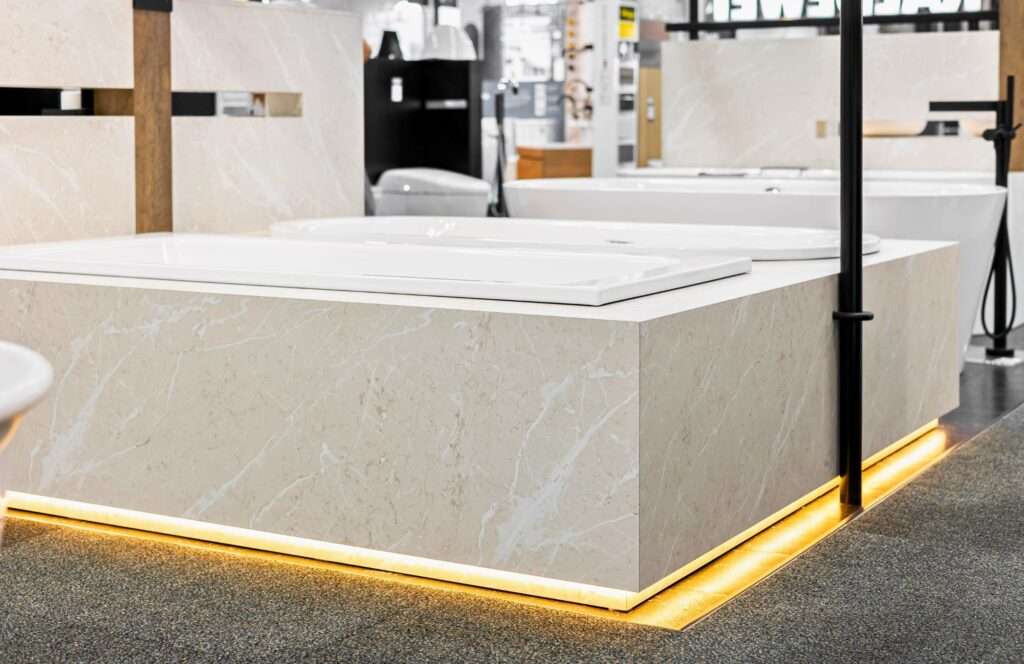
2. Effective Showroom Layout & Zoning
A well-designed showroom doesn’t just look good—it guides behaviour. In 2026, effective layout and zoning is one of the most powerful tools to influence how customers move, interact, and ultimately engage with your brand. The goal is to create a natural flow that encourages exploration while reinforcing key product stories.
WAYS TO PRIORITISE EFFECTIVE SHOWROOM LAYOUTS & ZONING
- Create a strong ‘hotspot’ on entry: The first few steps inside your showroom set the tone. Use this space for high-impact displays or hero products that immediately capture attention.
- Design clear product zones with intent: Group products in a way that tells a story, whether by use case, collection, or lifestyle. This helps customers quickly understand how products fit into their world.
- Place key destinations at the rear: Position high-demand services like consultations, click-and-collect, or feature displays toward the back to draw customers through the full showroom to encourage exploration and engagement.
- Balance open space with focal points: Strategic negative space helps highlight hero areas and makes the environment feel considered and premium.
- Layer lighting to define zones: Use lighting to subtly guide attention—feature lighting for hero products, softer ambient lighting for browsing zones.
Want a quick chat? We guarantee you’ll hear back in less than 60 minutes*
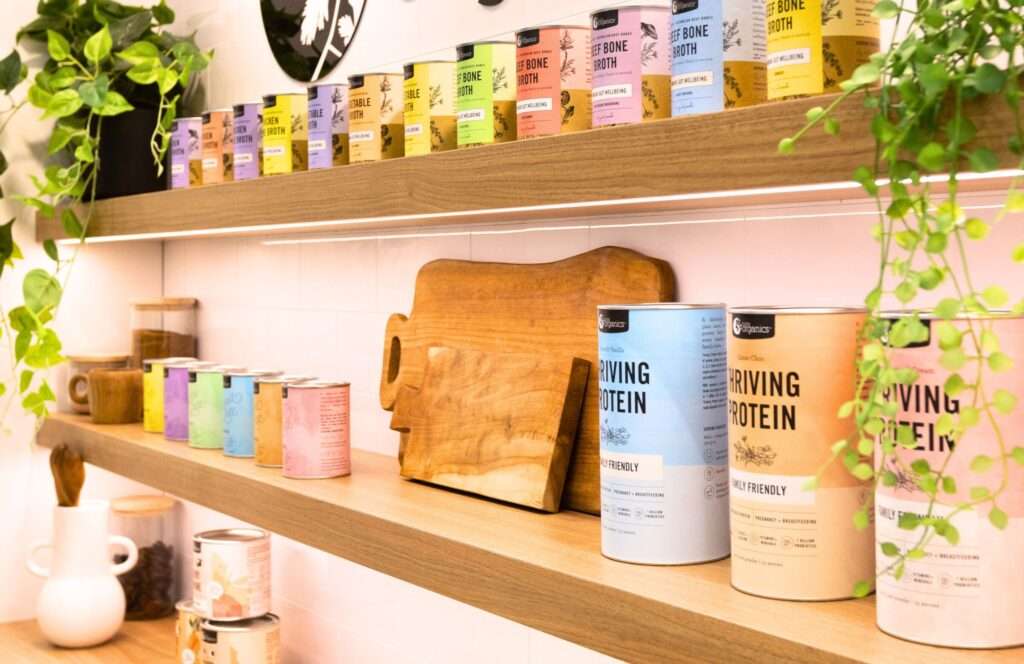
3. Strategic Lighting Design
Lighting is one of the most powerful, and often underestimated tools in effective retail showroom design. In 2026, the right lighting design enhances product perception, guides attention, and shapes the overall mood of the space. When executed well, it can elevate a standard display into a premium brand experience.
Strategically placed accent lighting can help draw attention to specific items or displays, while ambient lighting can provide an overall mood that makes shoppers feel comfortable in the space. It’s important to find the right balance between highlighting product displays and not overwhelming shoppers with too much light.
WAYS TO USE LIGHTING TO ENHANCE YOUR SHOWROOM
- Layer ambient, accent, and task lighting: Create depth by combining overall ambient lighting with focused accent lighting and functional task lighting. This ensures the space feels balanced, not flat.
- Highlight hero products with accent lighting: Use directional lighting to draw attention to key displays, or new releases.
- Incorporate decorative fixtures for visual impact: Pendant lights, wall sconces, or statement ceiling features can double as design elements that reinforce your brand aesthetic.
- Optimise task lighting for key touchpoints: Ensure areas like consultation desks, beauty stations, or service counters have clear, functional lighting to support interaction.
- Choose lighting that complements materials and finishes: The wrong tone can distort colours and textures. Align your lighting temperature with your product and interior palette.
- Leverage LED for flexibility and efficiency: LED solutions remain the standard for retail—offering energy efficiency, longevity, and adaptability across different zones.
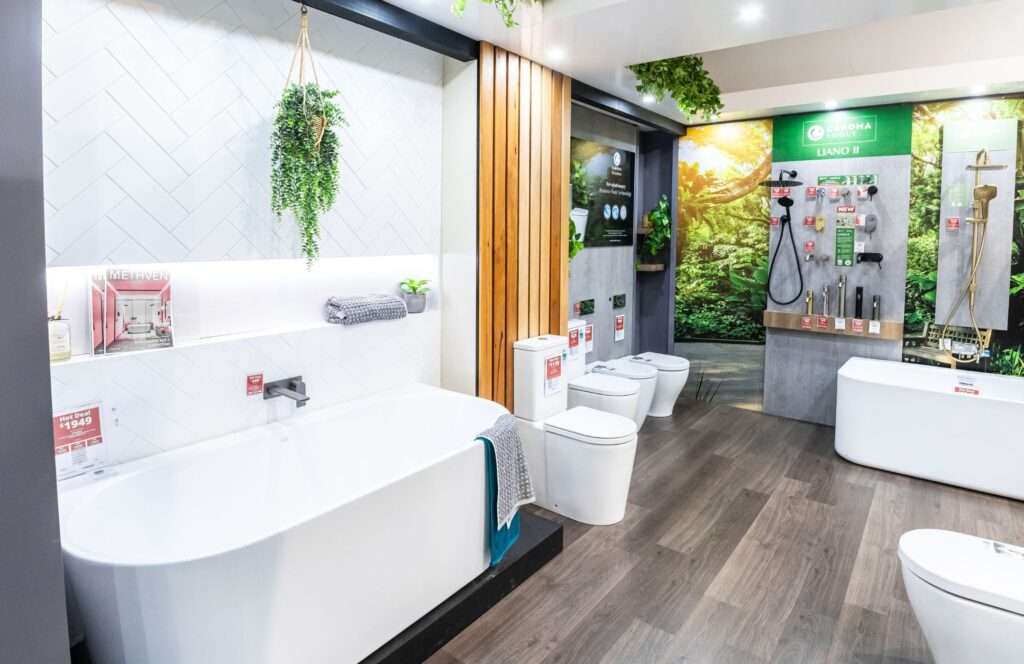
4. Invest in Premium, Semi-Permanent Features
In 2026, customers are more discerning than ever. They expect environments that feel considered, tactile, and aligned with the brand not just visually, but materially. For good showroom design, this means investing in high-quality, semi-permanent features that elevate the space while maintaining flexibility. For more tips and inspiration for the latest trends, dive into our latest article on 2026 material trends.
WAYS TO ELEVATE YOUR SHOWROOM WITH PREMIUM FEATURES
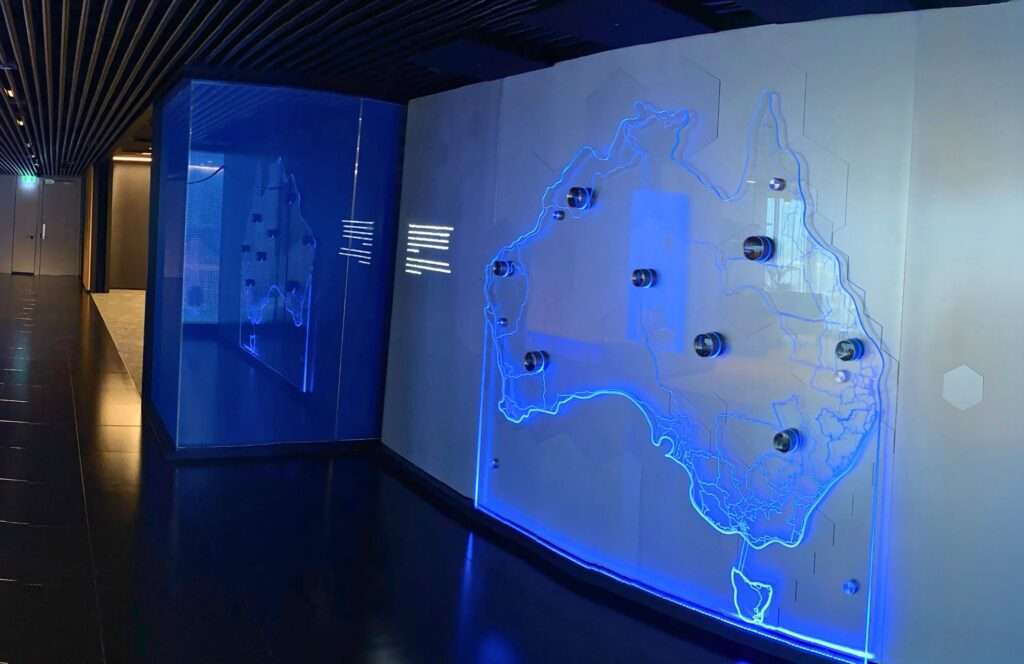
- Prioritise high-quality materials and finishes: High-quality fabrication ensures durability. Incorporate materials like raw timber, stone, or textured surfaces.
- Ensure consistency with brand guidelines: Materials, colours, and finishes should align with your brand identity—creating a cohesive and recognisable environment.
- Design for modularity and flexibility: Semi-permanent builds allow you to refresh, reposition, or scale elements without committing to a full refurbishment.
- Incorporate sensory design elements: Texture, weight, and finish all contribute to how a space feels—adding depth beyond visual impact alone.
- Maintain clear navigation through design: Even with premium finishes, the space should remain intuitive and easy to move through—avoiding clutter or over-design.

Ultimately, good showroom design in 2026 is about creating meaningful experiences that guide customer behaviour and reflect your brand’s identity. By planning layout and zoning thoughtfully, and integrating high-quality materials and finishes, brands can transform their showrooms into immersive, memorable environments that drive engagement, loyalty, and long-term growth.
At DisplayWise, we specialise in delivering custom, semi-permanent showroom solutions—designed to elevate brand environments without the need for full shop fit-outs. With advanced manufacturing capabilities and precision machinery, we’re able to produce complex, high-quality builds that balance creativity with practicality.
Want to create a showroom that captivates your customers and reflects your brand at its best? Talk to DisplayWise today to help you plan, design, and deliver a space that best practice built.