

It’s natural for businesses to focus heavily on lead generation as opposed to brand-led marketing. After all, it delivers quick, measurable results and is often the easiest activity to justify internally. Leads can be tracked, attributed and reported on almost instantly.
What’s often overlooked, however, is the role of brand generation — the long-term work of building awareness, trust and relevance in the market. As digital media continues to expand, lead generation has also become easier with the help of digital saturation. Yet simultaneously, this is the primary reason why it’s harder than ever to stand out.
As digital media continues to expand, lead generation has become easier with the help of digital saturation. Yet simultaneously, this is the primary reason why it’s harder than ever to stand out. Brand building and awareness generation focus on recognition, authority, and audience size without requiring immediate action or contact details. It’s this sustained investment in brand awareness, credibility and experience, that matters more than ever in 2026 because if businesses become overly dependent on paid acquisition they risk watching their brand equity quietly erode.
Taylah Crome, Brand Manager — DisplayWise, explains why brand-led marketing is more important than solely lead generation campaigns;
“Lead generation answers demand that already exists. Brand generation shapes demand before it does. Without brand investment, lead activity becomes more expensive, less effective and harder to scale. Sustainable growth comes from building both in parallel, not choosing one over the other.”
The brands who will win experiential strategy in 2026 understand that brand is no longer a “nice to have” — it’s a performance multiplier. When executed well, brand-led marketing doesn’t compete with lead generation; it fuels it. In fact, brand activity can often drive stronger, more sustainable lead growth than lead generation alone. Here are four key benefits.

1. Reach new audiences in an increasingly fragmented world
If your lead pipeline feels harder to sustain, you’re not alone. Consumer journeys in 2026 are non-linear, community-driven and increasingly shaped by lived experience rather than ads alone.
In fact, the State of Physical Retail in 2026 report highlights how community has become a central loyalty engine. This year, experience-led brands are reframing stores as community hubs rather than product corridors and it’s working. Sport and street wear brand, LSKD, reports significantly longer dwell time driven by intentionally designed community-led “hangout” spaces.
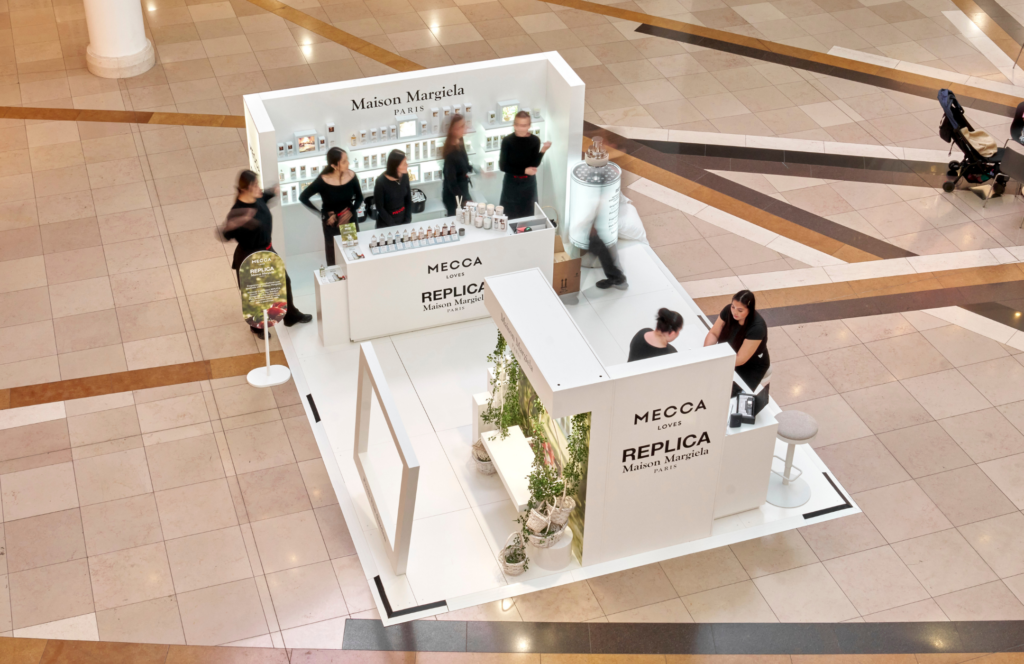
In an era dominated by algorithms and AI-generated content, real-world brand experiences cut through the noise. By meeting audiences in physical, high-impact environments, brand-led marketing reaches people beyond existing digital bubbles — introducing the brand to new audiences, building early trust, and feeding the top of the funnel long before purchase intent exists.
2. Create genuine connection and relevance
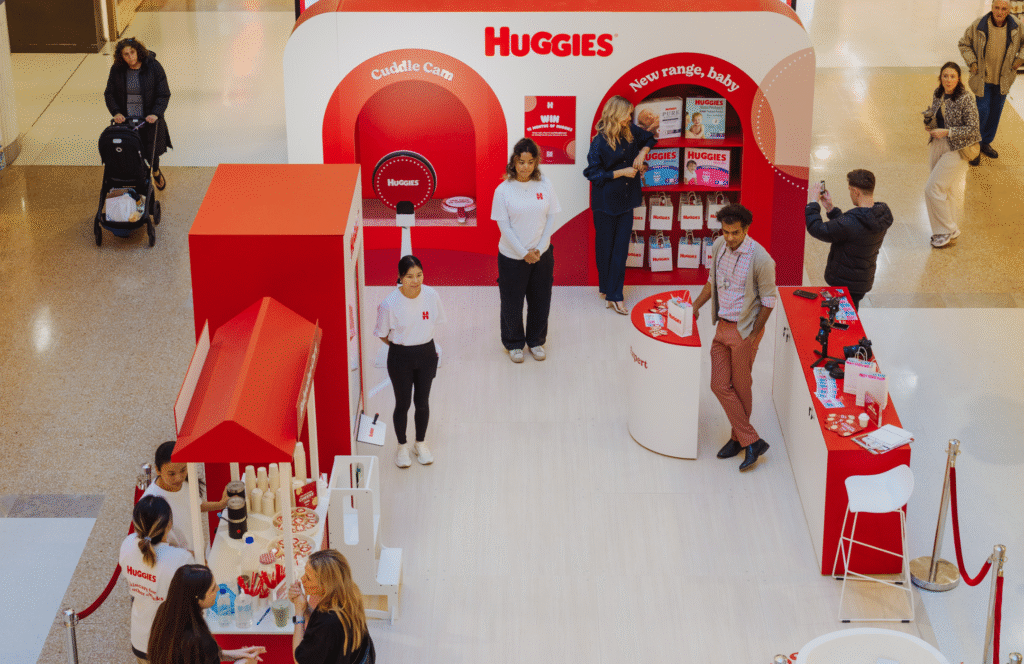
Authentic brand experiences bind consumers to brands and the strongest brand stories are built on understanding people, not assumptions. Conducting consumer research, surveys, or focus groups reveals how your audience experiences and connects with your brand — uncovering what resonates emotionally, what inspires trust, and what drives loyalty. These insights allow you to craft narratives that are authentic, meaningful, and truly human.
One of the defining trends of 2026 is the demand for authenticity and relevance because when brands show up meaningfully, engagement deepens for the brand community. This strong brand connection drives recall, trust drives preference, and relevance drives long-term loyalty. This year, the best brand-led marketing will be built on personal relationships with consumers, so in-person brand activity and experiential campaigns can be a fantastic way to strengthen those connections.
According to the latest Havas Red New Lens on Brand Experience in 2026, fandoms reward authenticity and participation. Brands that join conversations, rather than commandeer them, gain trust and emotional equity that can’t be bought. In fact, 56% have supported or followed a brand, product, or fandom for at least a decade. This proves that consumers don’t just want to buy from brands — they want to understand them, trust them and feel aligned with their values.
3. Get brand recognition in the market
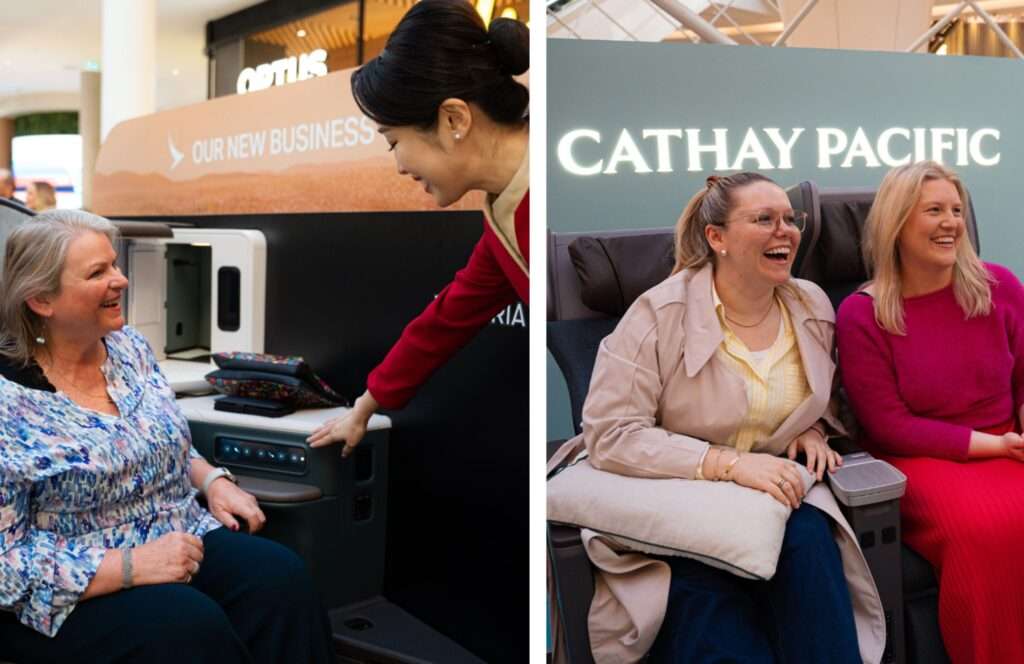
A strong brand is one of the most powerful growth assets a business can have in 2026. Products can be copied, pricing can be matched, yet, experience and perception cannot. Brand-led marketing shifts the focus from short-term clicks to long-term advocacy. Well-executed displays, activations and experiential campaigns encourage organic conversation, social sharing and word-of-mouth — outcomes that paid media alone struggles to achieve. When consumers are ready to buy, the brands they remember and trust — win.
4. From experience to loyalty: try, then love, buy and repeat
According to Lippincottt, trends are set to define this year and continue to show that hands-on brand experiences significantly increase purchase intent and return on investment. Lippincott are an international brand consultancy agency, who’ve worked with Fortune 500 brand powerhouses such as Walmart, Delta Airlines, Starbucks, Marriott, Southwest Airlines and Taco Bell
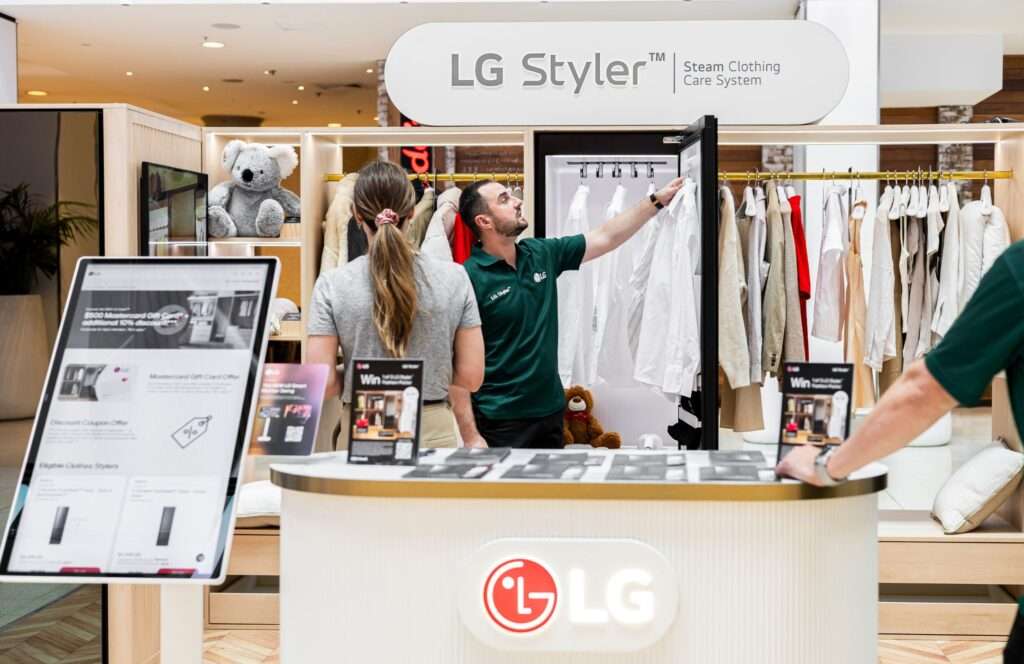
The agency notes that experiential marketing has shifted away from spectacle for spectacle’s sake and towards more meaningful participation. Product demonstrations, retail sampling and interactive displays allow consumers to experience real value before committing to purchase and these moments do more than drive a single conversion. They build familiarity, confidence and trust – strengthening loyalty, increasing lifetime value and encouraging repeat engagement over time. In 2026, experience is no longer a supporting tactic — it’s a core driver of brand relevance and growth.

Ultimately, brand activity doesn’t always deliver immediate conversions, but it does contribute to making those conversions easier, more valuable and consistent over time. The brands who will win in 2026 understand that brand activity is no longer a “nice to have” — it’s a performance multiplier.
Through immersive experiences that connect, inspire and leave a lasting impression, DisplayWise brings your brand story to life in ways lead generation alone cannot. For over 25 years, we have partnered with brands to create impactful displays and activations that tell stories, spark connection and drive results. From experiential pop up experiences though to immersive brand environments, we manage everything from concept through to execution.
In a world where experience defines differentiation, a DisplayWise activation ensures your brand is remembered — not just seen. Inspired to prioritise brand-led marketing and activation strategies in 2026? Talk to us today.

