WRITTEN BY // JESSICA HEATHCOTE
PUBLISHED: JANUARY 2026
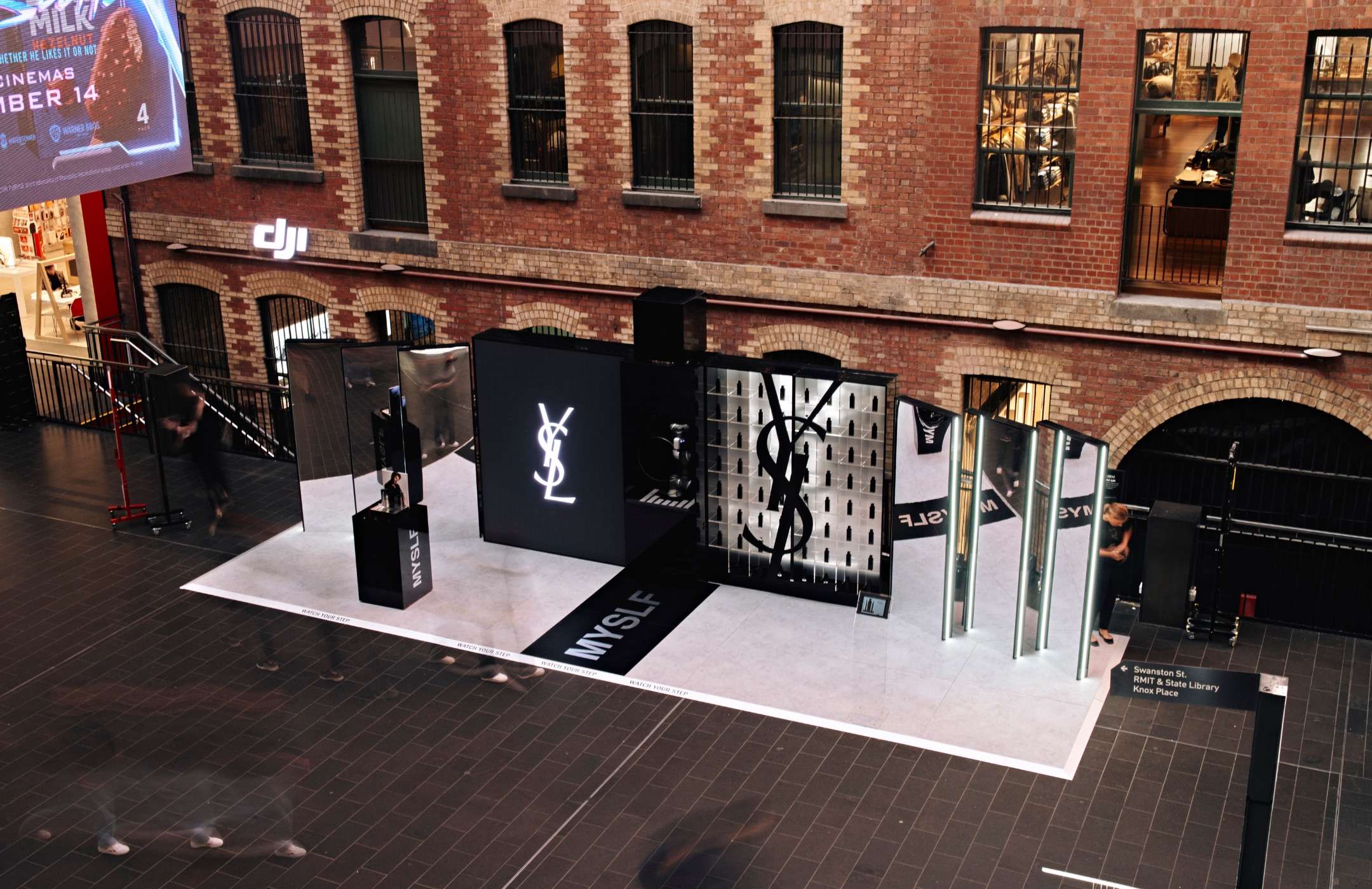
Standing out at events and activations is more challenging than ever. Our 2026 experiential marketing trends forecast recognises that audiences are increasingly savvy, multi-generational, and digitally connected. This means, delivering memorable brand experiences requires more than eye-catching visuals — it demands strategy, creativity, and measurable impact.
In 2026, the most successful experiential marketing activations will combine sensory design, modular and sustainable materials, people-centric layouts, and personalised, data-driven interactions. These elements work together to maximise both return on investment (ROI) and return on experience (ROE), ensuring every activation not only impresses but drives tangible results for your brand.
General Manager Marketing, Lisa Cachia, explains:
“In 2026, experiential marketing isn’t just about creating a beautiful space — it’s about designing experiences that resonate on every level. From lighting and sound to texture and interactivity, every element should engage the senses, tell your brand story, and deliver measurable outcomes.”
With over 25 years of experience in the experiential and activations sector, we’ve identified four key experiential marketing trends that are shaping how audiences engage, remember, and interact with brands in 2026.
Trend 1: Sensory Design - Engaging All Five Senses
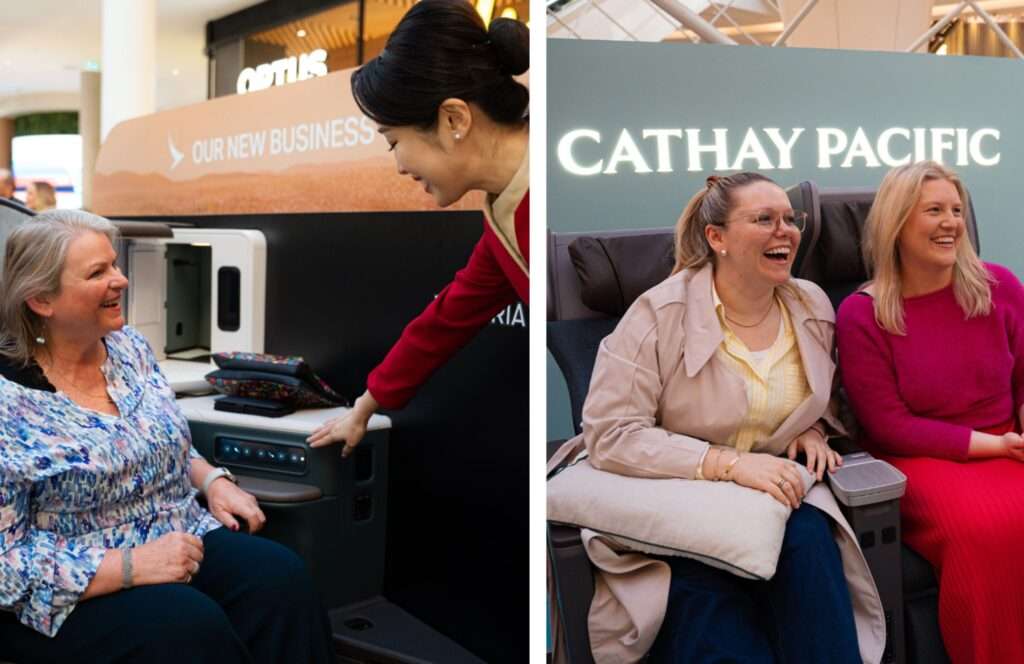
In 2026, experiential marketing is increasingly about creating fully immersive environments that engage all five senses. Lighting, sound, scent, texture, and even taste work together to craft memorable moments that resonate and reward participation. Thoughtful sensory design not only draws attendees in but also strengthens emotional connections, driving both ROI and ROE.
Integrating multiple senses reinforces your narrative, encourages longer dwell time, and builds authentic engagement — all with measurable impact. Brands that test, learn and push the boundaries of sensory design will win more customers and dollars this year by understanding the following key elements.
KEY SENSORY MARKETING CONSIDERATIONS
- Sight draws people in — dynamic lighting, colour accents, and bold graphics instantly signal what your brand stands for.
- Sound sets the tone — ambient audio, music, or voiceovers can guide mood and attention without overwhelming.
- Touch builds connection — textured materials and tactile surfaces invite exploration and make your stand feel more emotive and human.
- Smell evokes memory — subtle, branded scents can deepen emotional recall and create a signature atmosphere.
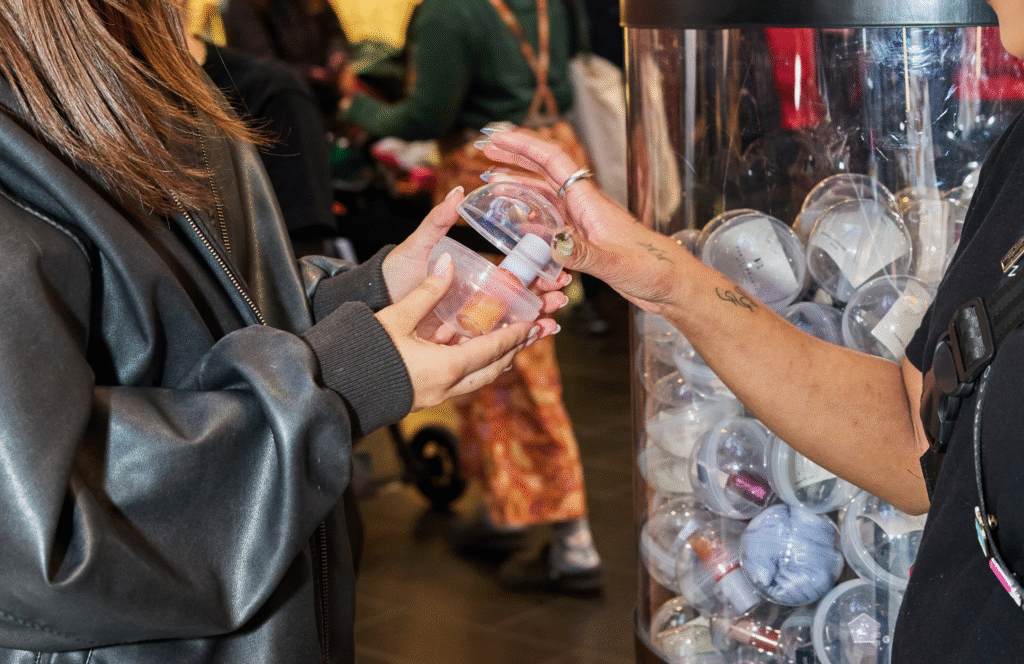
- Taste amplifies engagement — curated samples or beverage experiences make brand moments and experience, not just a space.
Trend 2: People-Centric Experience Design and Community Building
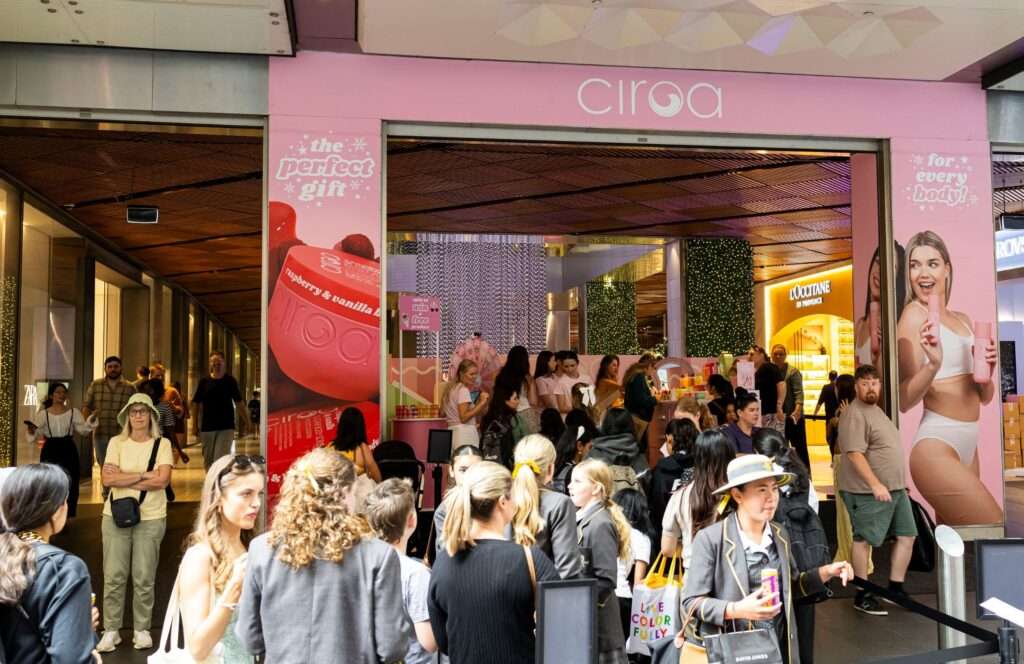
People-centric experience design continues to evolve as a key experiential marketing trend in 2026, with a clear shift toward community-driven brand experiences. Every decision from layout to interaction design should make visitors feel welcomed, involved, and emotionally connected to the brand.
This shift recognises that successful experiential marketing isn’t just about engagement in the moment. It’s about creating experiences that foster connection and belonging, extending the value of an activation beyond the event itself. When people feel connected to a brand and to each other experiences deliver stronger return on experience (ROE) and more sustainable return on investment (ROI).
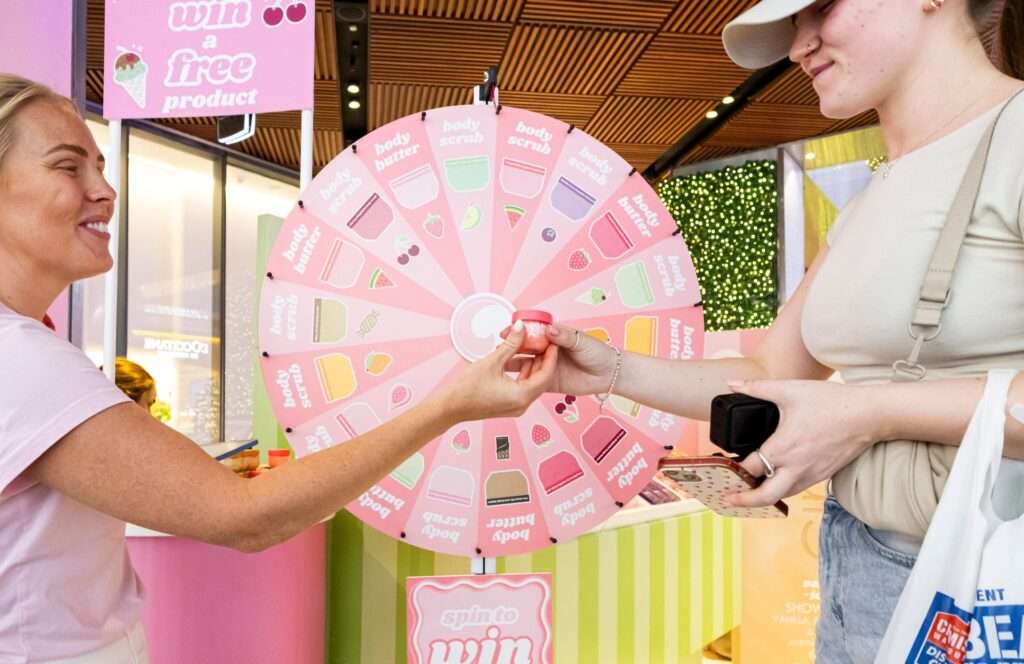
KEY EXPERIENCE DESIGN CONSIDERATIONS
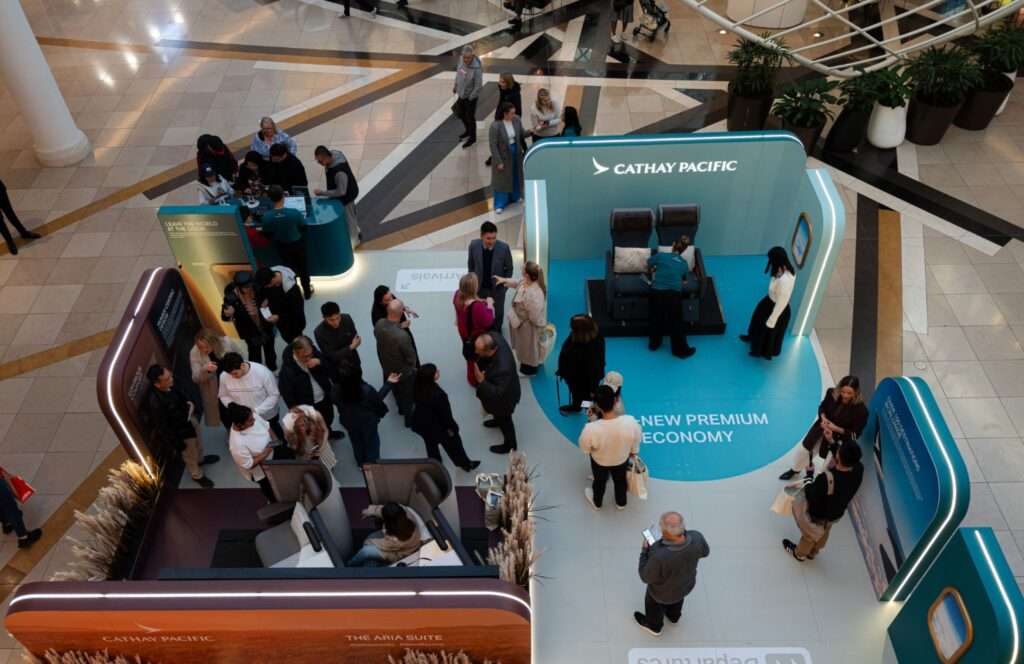
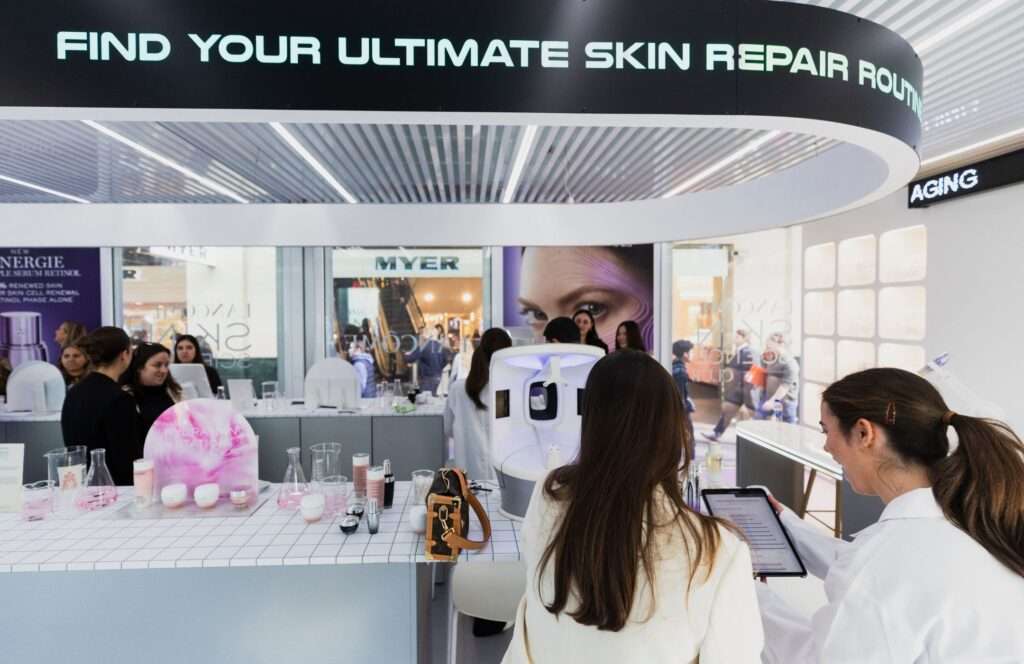
- Flow & accessibility — Design intuitive pathways that guide visitors naturally through the space. Clear flow increases dwell time at hero zones, demos, and interactive areas, while reducing congestion and missed engagement opportunities.
- Purpose-led engagement touchpoints — Incorporate hands-on experiences, digital integrations, or gamified elements that serve a clear purpose, whether that’s lead capture, product education, or storytelling. The most effective interactions balance immersion with measurable outcomes.
- Audience-aware design: Plan for diverse, multi-generational audiences. Different age groups and behaviours respond to different sensory cues, messaging styles, and interaction formats. Designing with this in mind helps ensure the experience feels inclusive and relevant, rather than one-size-fits-all.
- Staff & brand ambassadors as part of the experience — Your team plays a critical role in shaping the experience too. Well-briefed staff and ambassadors can personalise interactions, build rapport, and strengthen brand perception, turning engaged participants and long-term advocates.
Want a quick chat? We guarantee you’ll hear back in less than 60 minutes*
Trend 3: Personalisation & Data Integration
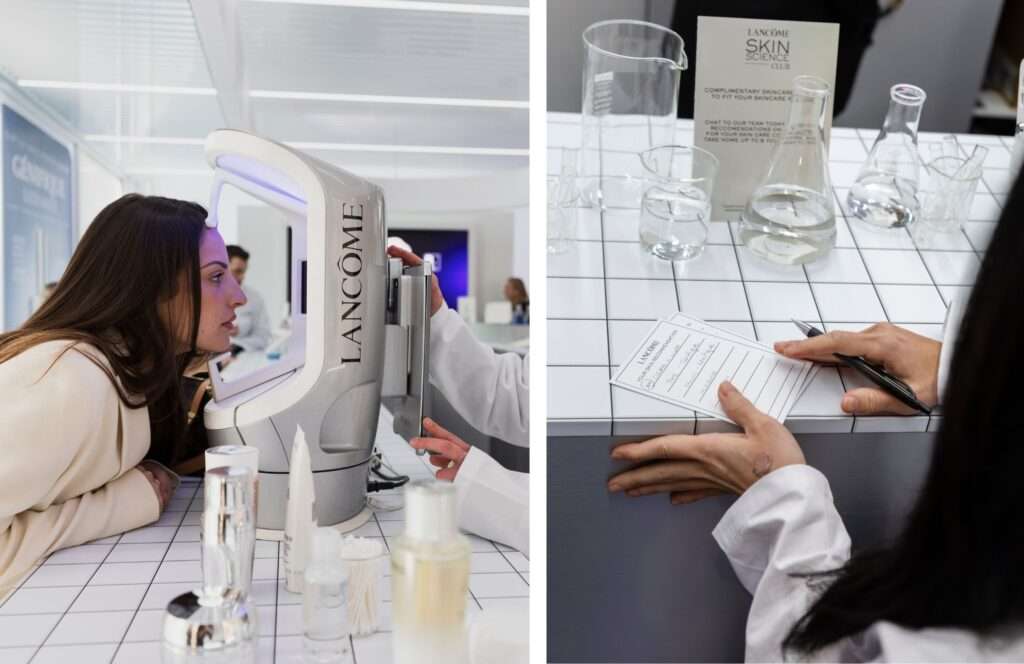
This 2026 experiential marketing trend is not just about creating memorable moments — it’s about creating moments that matter to each visitor. By using personalisation and data integration, brands can connect more deeply, measure the impact of activations, and optimise future campaigns.
KEY PERSONALISATION & DATA CONSIDERATIONS
- Metrics that matter: Track dwell time, product trials, social interactions, and conversions to demonstrate tangible ROI, while qualitative feedback reflects the emotional ROE of your experience.
- Tailored messaging: Digital screens, signage, or interactive touchpoints respond to visitor profiles, preferences, or behaviours to make every interaction feel relevant.
- Data capture & lead follow-up: QR codes, app integrations, email sign-ups or digital check-ins allow brands to track engagement, capture leads, and extend the conversation beyond the activation.
Trend 4: Materials & Modular Approaches
This year, the materials you choose and the way you structure your space are central to creating experiences that are both immersive and adaptable. 2026 experiential marketing trends for outdoor activations and retail pop ups demand solutions that are durable, transportable, and visually striking, all while staying on brand.
KEY MATERIAL & MODULAR BUILD CONSIDERATIONS
- Durability vs. aesthetics: Materials must withstand outdoor conditions without compromising your premium look and feel. From aluminium framing systems through to weather-resistant metal elements, your choices can influence both cost and longevity. Stay up to date with the latest material trends and colour trends in our latest blogs.
- Modular & hybrid builds: Reusable, modular systems such as Spacecube let you scale or adapt your space for different sites or events. This approach reduces repeated fabrication costs while keeping installations fresh and engaging.
- Sustainable materials: Eco-conscious brands increasingly demand solutions that balance performance with environmental responsibility. While sustainable options can carry a higher upfront cost, they support long-term value, brand perception, and audience engagement.
At DisplayWise, we guide brands through these decisions, ensuring materials and modular designs are strategically selected to achieve your objectives and budget. For more inspiration on sustainable approaches, see our insights on sustainable exhibition and pop-up design.
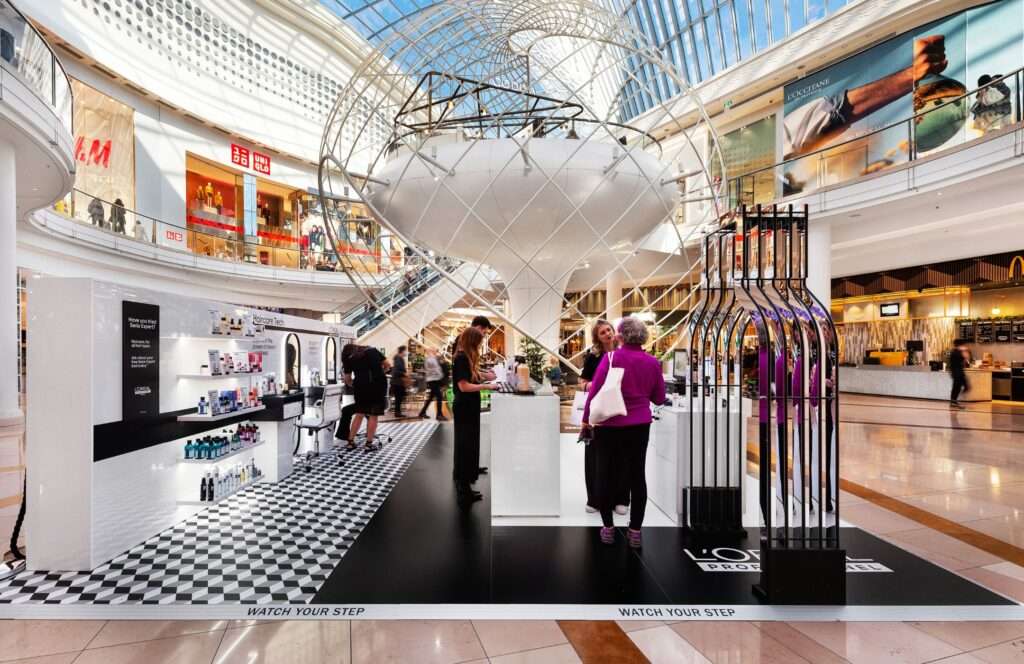
Ultimately, brands who make the biggest impact will leverage the latest 2026 experiential marketing trends to guide every decision. Whether it’s a pop up, retail activation, or outdoor brand experience, at DisplayWise we partner with marketing and brand teams to turn these trends into real-world environments that stand out, engage, and convert. Our expertise ensures your experience is not just visually striking but strategically designed to deliver maximum ROI and memorable ROE.
Ready to bring the 2026 experiential marketing trends to life? Contact our team to your next brand moment to life.