WRITTEN BY // JESSICA HEATHCOTE
UPDATED: FEBRUARY 2026
In 2026, retail pop ups are no longer just about brand awareness, they’re a proven channel for driving measurable results. For brand managers and marketers alike, the challenge is getting the right formula to increase sales in retail pop ups through smart design, location, and engagement tactics that go beyond surface-level aesthetics.
Whether you’re unveiling a prestige beauty launch, showcasing the latest automotive innovation, or simply creating buzz around a seasonal campaign, pop ups give your brand the opportunity to boost sales, build customer loyalty, and extend brand reach in ways traditional retail often can’t.
Let’s dive into 6 practical and future-focused strategies to increase sales in retail pop ups, going beyond aesthetics to deliver real, bottom-line impact.

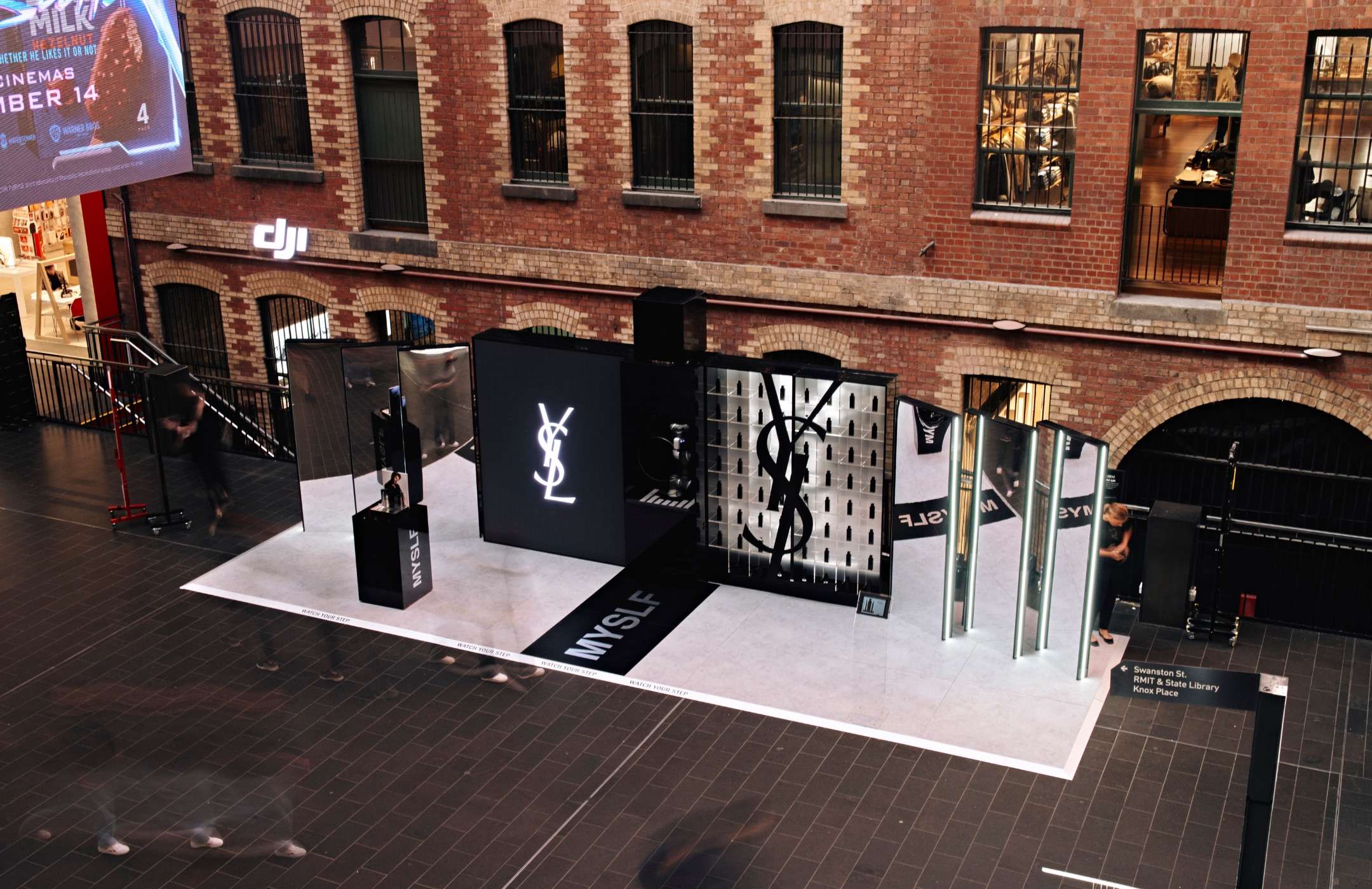
1. Smart location and timing
In retail pop ups, location and timing can make or break success. It’s no longer just about chasing foot traffic—it’s about placing your brand in the right environment at the right moment. In 20265, leading marketers are using data-driven insights such as GPS mobility tracking, AI-powered audience profiling, and competitor mapping to identify high-value sites where conversions are most likely.
Timing is equally powerful. Aligning a pop up with cultural moments, seasonal events, or major launches can exponentially increase sales in retail pop ups and brand impact. Think of a prestige beauty activation during Fashion Week, or an automotive showcase positioned alongside a global sporting event—the synergy ensures your pop up is seen by an audience already primed to engage and purchase. By combining smart data with cultural awareness, brands can turn their retail pop up into a strategic sales channel that outperforms traditional retail placements.

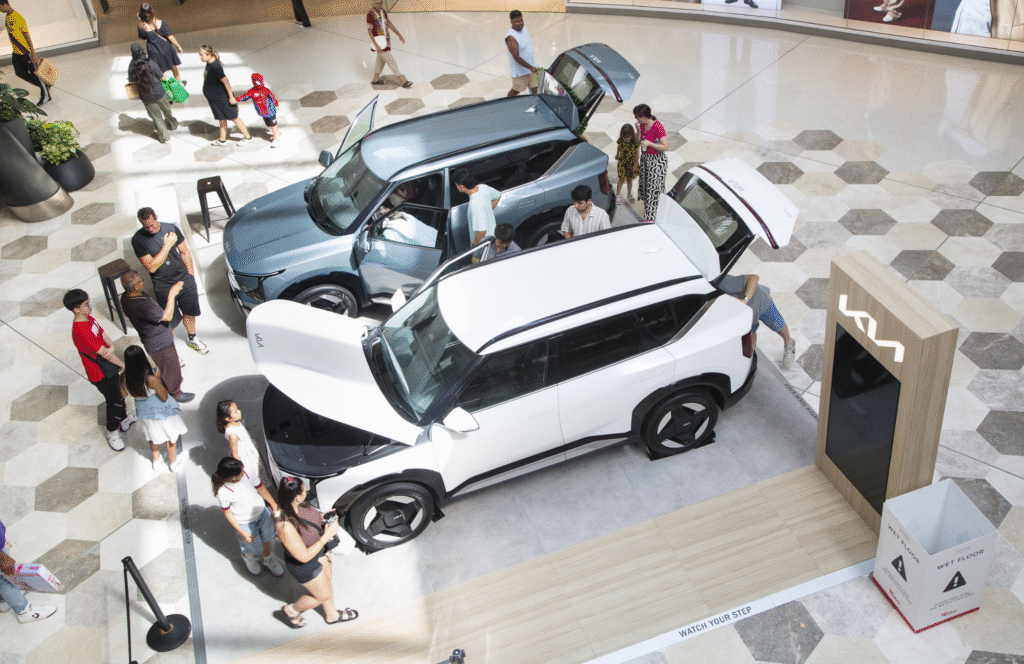
2. Sustainable and Modular Design
Consumers and brands alike are demanding greater sustainability and retail pop ups are no exception. In 2026, modular designs are making it easier to reconfigure and reuse structures across multiple campaigns, reducing costs while still delivering high-end finishes.
Eco-conscious design not only builds credibility with today’s value-driven consumers, it also supports measurable cost savings for brands. Choosing sustainable materials and circular design principles ensures your pop up is impactful, responsible, and increases sales in retail pop ups because it aligns with consumer values. This approach will help attracts positive brand sentiment, and encourages shoppers to choose your brand over others that reflect their own lifestyle priorities.
For more strategies on why sustainable design is worth the investment, check out our latest article.
3. The Era of Immersive Phygital Experiences
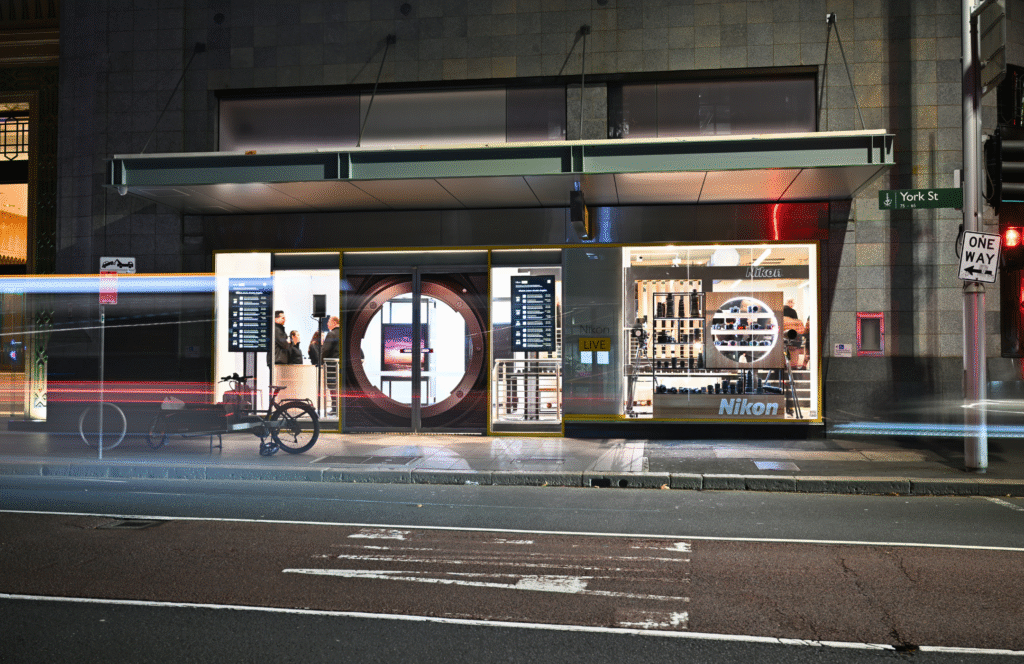
Shoppers now expect phygital experiences rather than static displays that blend a seamless mix of physical and digital engagement. In 2026, this can mean anything from interactive LED walls and AR-powered product trials through to livestream shopping directly from the pop up.
These immersive moments extend the life of your activation well beyond its physical footprint, creating shareable content that boosts awareness and drives conversion. Try integrating digital touchpoints like QR codes or NFC-enabled product tags to connect the physical pop up with your ecommerce ecosystem as a seamless path to purchase and increase sales in retail pop ups.
Get more insights from our latest article that predicts the best experiential marketing trends this year.
Want a quick chat? We guarantee you’ll hear back in less than 60 minutes*
4. Authentic Storytelling
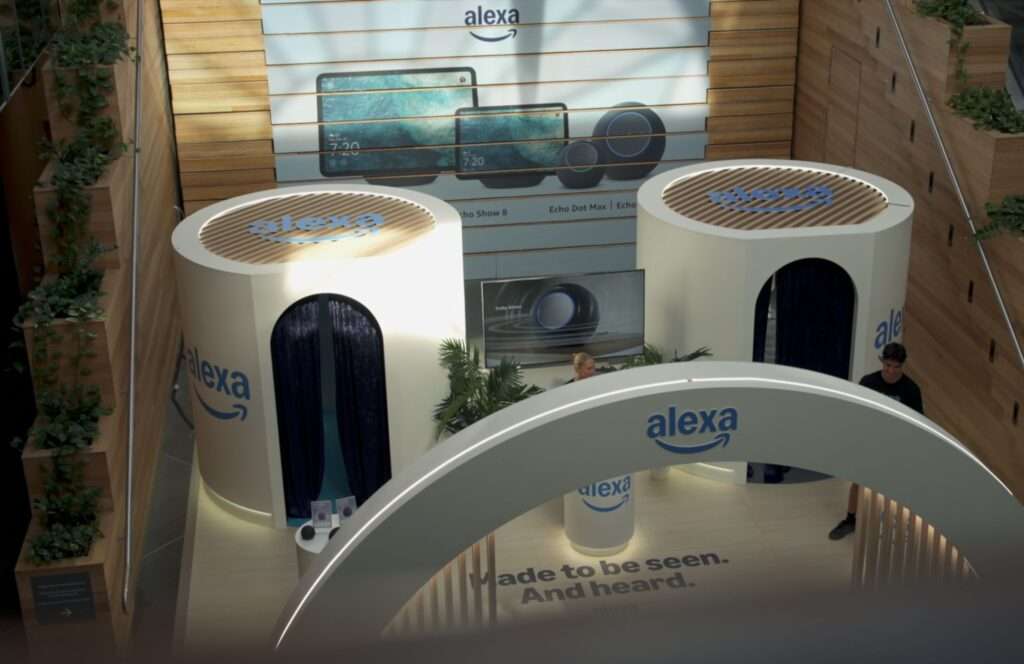
The most successful retail pop ups go beyond spectacle to deliver meaningful storytelling that connects emotionally with customers and builds trust. When customers feel they’re part of your brand’s journey, whether through hands-on activations, personalisation opportunities, or behind-the-scenes access, they’re more likely to buy and remain loyal.
This year, storytelling has become one of the most effective ways to increase sales in retail pop ups. By weaving brand values into every design element from the materials chosen to the customer purchase journey, successful brands are creating experiences that feel authentic and memorable. This emotional connection doesn’t just inspire social sharing; it directly influences purchase decisions, turning one-time visitors into long-term advocates.

PROJECT SPOTLIGHT : Ralph Lauren Polo Earth Fragrance Launch
In partnership with Bastion and their client Ralph Lauren, DisplayWise brought the Polo Earth fragrance story to life through an immersive retail activation at Chadstone Shopping Centre. Inspired by nature and grounded in sustainability, the pop up was designed to authentically reflect the fragrance’s 97% natural-origin formulation.
From the outset, every design choice reinforced the brand’s narrative. Natural-look materials such as minimal contrast woodgrain finishes, recycled faux greenery, and stone-effect surfaces created an organic aesthetic that echoed Polo Earth’s values. A bespoke scent bar invited shoppers to explore the fragrance’s natural ingredients, while five illuminated lightboxes ensured strong brand visibility within a competitive retail environment. To deepen the brand connection, exclusive gifts-with-purchase including Ralph Lauren toiletries and a premium duffle bag were offered to shoppers, driving immediate conversion and strengthening loyalty.
Get in touch with DisplayWise to discover more of how authentic storytelling, when paired with thoughtful design, can increase sales in retail pop ups.
5. Go beyond with Discounts & Incentives
Incentives and discounts are a proven way to increase sales in retail pop ups, but the key is making them feel intentional rather than gimmicky. A well-crafted offer should align with your objectives whether that’s driving immediate purchases, capturing customer data for future campaigns, or encouraging repeat visits through partner retailers. When incentives are tied directly to the customer journey, they do more than just add value; they create urgency, reduce purchase hesitation, and extend the impact of the activation well beyond its physical footprint.
In fact, according to “The Future of Physical Retail: The New Role of Malls & Stores” report, the next generation of retail value will come from faster experimentation cycles. For example, a physical pilot such as a retail pop up, can offer a run quick, small-scale physical test for new store layouts, signage, or product displays. These can be executed on a short-time frame to gather real consumer feedback and apply relevant learning.
In 2026, the most effective strategies combine instant gratification with long-term follow-up. Think gift-with-purchase moments that reward buyers on-site, exclusive discount codes that drive traffic to retail partners, or samples that allow customers to trial products in their own time before committing. By layering these touchpoints and tracking their redemption through unique codes or CRM sign-ups, brands can not only deliver memorable experiences but also gather measurable data that proves ROI.
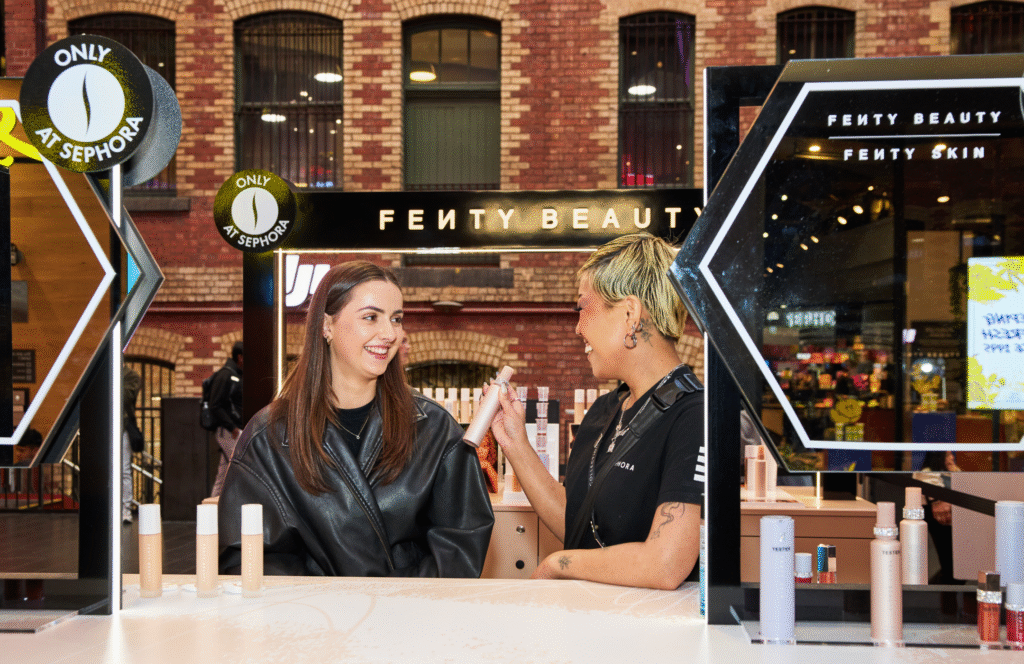
PROJECT SPOTLIGHT : Fenty Beauty “Find Your Fenty Fit” Pop-Up Tour
For Fenty Beauty’s Find Your Fenty Fit Pop Up Tour across Australia, DisplayWise designed and built a consumer-first experience that perfectly reflected the brand’s inclusive DNA—while smartly leveraging incentives to drive conversions.
Key engagement highlights included:
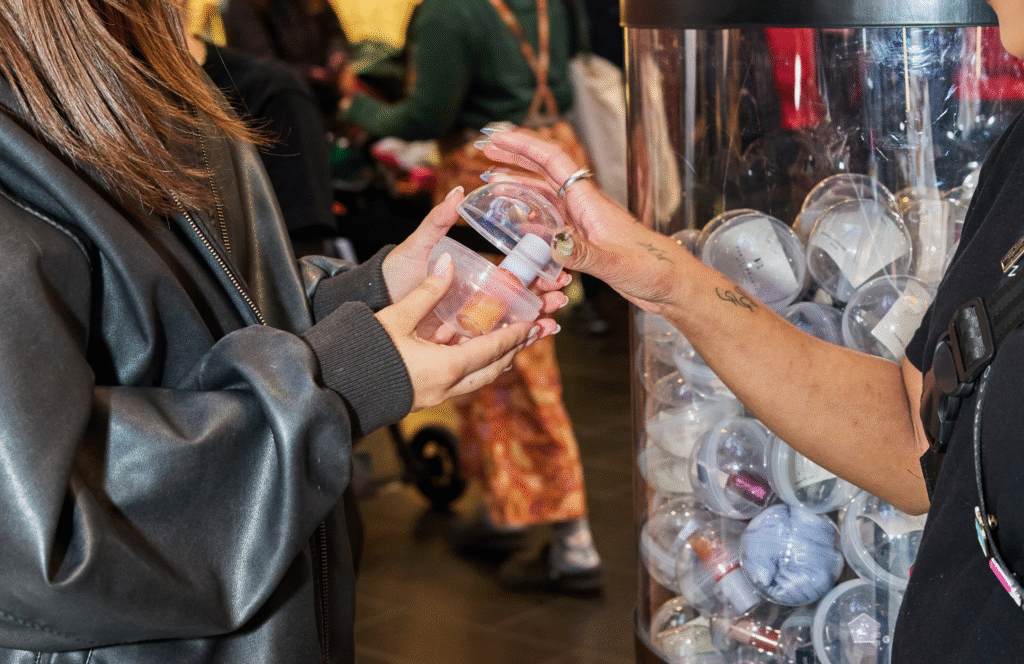
- Lucky-dip prizes with every purchase, adding a playful surprise element that delighted shoppers and encouraged impulse buys.
- Take-home samples allowing customers to trial their matched foundation shade at their convenience, making them more likely to purchase later.
- A 15% off Sephora discount code for future purchases—ensuring even those who didn’t buy onsite had a compelling reason to convert later in-store or online.
This activation not only showcased Fenty’s commitment to personalised beauty but also leveraged incentives that aligned with shopper behaviour—turning experiential fun into measurable sales. Ready to bring your brand story to life and achieve measurable results with your next retail pop up? Get in touch with DisplayWise.
6. Measuring ROI
Measuring ROI is one of the most powerful ways to increase sales in retail pop ups because it turns creative activations into accountable, optimised strategies—showing what drives revenue, what needs refining, and where to double down for future growth.
The most effective retail pop ups are designed with ROI tracking built in from UTM-tracked QR codes and integrated CRM sign-ups through to footfall sensors and social media monitoring. This data gives marketers and brands alike tangible evidence of success, making it easier to justify budgets and refine future activations. Importantly, it also shows where the pop up drove direct sales versus longer-term brand awareness.
For more pro tips, check out our latest article on 4 Ways to Boost Your Experiential Marketing ROI for Pop Ups.
Retail pop ups in 2026 are no longer just “nice to have” moments—they are strategic sales channels that can deliver real business outcomes when executed with purpose. From choosing the right location and designing sustainably through to creating immersive phygital experiences, and tracking ROI, each step plays a vital role in turning a pop up into a measurable success.
At DisplayWise, we’ve partnered with global brands to prove what’s possible when creativity meets craftsmanship. Ready to increase sales in your retail pop up? Get in touch with the team today and we’ll help you transform your ideas into powerful, results-driven experiences.